Overview
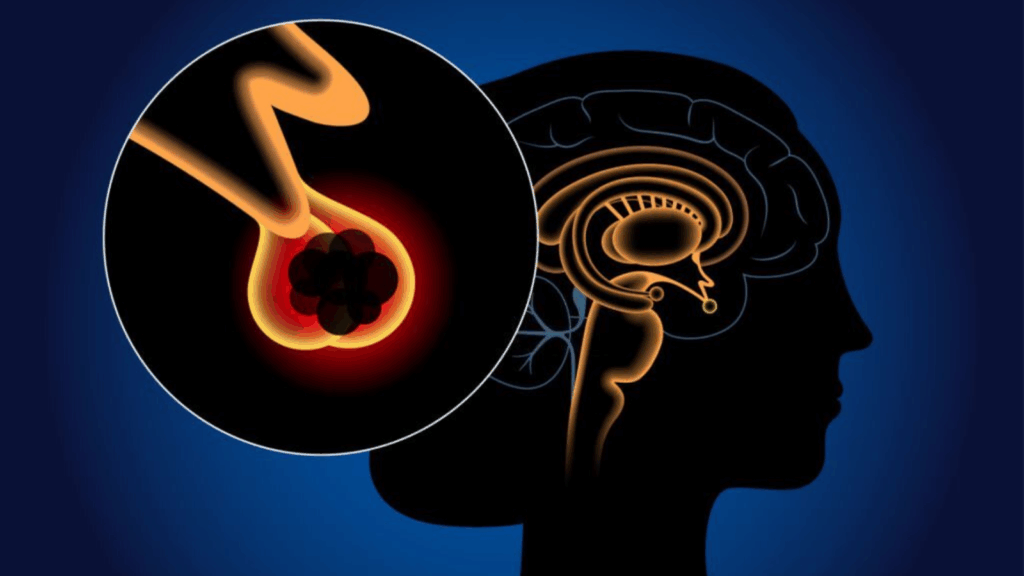
A pituitary tumor is an abnormal growth that develops in your pituitary gland — a small, pea-sized gland located at the base of your brain, just behind the bridge of your nose. This gland plays a vital role in regulating many body functions by releasing hormones that influence growth, metabolism, and reproductive processes.
Most pituitary tumors are noncancerous (benign) adenomas that grow slowly and remain confined to the gland. However, even benign tumors can cause significant health problems by either producing too many hormones (functioning tumors) or pressing on nearby brain structures (non-functioning tumors).
Because of their location, pituitary tumors can affect hormone balance, vision, and even cause headaches or other neurological symptoms. Fortunately, most pituitary tumors can be effectively treated with medications, surgery, or radiation therapy, and outcomes are generally good when diagnosed early.
Symptoms
Symptoms of a pituitary tumor depend on whether the tumor produces hormones and how large it is. Common signs and symptoms may include:
-
Headaches, often persistent or located behind the eyes
-
Vision problems, such as blurred or double vision, or loss of peripheral (side) vision
-
Unexplained fatigue or weakness
-
Nausea and vomiting, especially in larger tumors pressing on nearby structures
-
Unexplained weight gain or loss
-
Menstrual irregularities or infertility in women
-
Erectile dysfunction or loss of libido in men
-
Changes in body hair or skin texture
-
Mood changes, anxiety, or depression
-
Growth changes, such as enlarged hands, feet, or facial features (acromegaly) if the tumor secretes growth hormone
-
Cushing’s features, such as round face, fat accumulation around the neck, and thin skin (in ACTH-producing tumors)
When to See a Doctor
Consult your doctor if you experience:
-
Persistent or worsening headaches or vision changes
-
Unexplained hormonal or physical changes, such as irregular periods, breast discharge, or changes in body size
-
Symptoms of hormone deficiency, like fatigue, weight loss, or weakness
-
Any combination of symptoms suggesting a hormonal imbalance
Early diagnosis and treatment can prevent long-term complications and restore normal hormonal balance.
Causes
The exact cause of most pituitary tumors is unknown, but genetic changes in the gland’s cells can cause uncontrolled growth. Some cases are linked to inherited conditions such as:
-
Multiple Endocrine Neoplasia, type 1 (MEN 1) – a hereditary disorder that increases the risk of tumors in endocrine glands.
-
Carney complex or Familial Isolated Pituitary Adenoma (FIPA) – rare genetic syndromes that predispose individuals to pituitary tumors.
Most pituitary tumors occur sporadically, without a clear family history. In rare cases, exposure to certain radiation or genetic mutations may play a role.
Complications
Untreated or large pituitary tumors can lead to serious health problems, including:
-
Vision loss due to pressure on the optic nerves
-
Permanent hormone deficiency (hypopituitarism), requiring lifelong hormone replacement
-
Infertility or sexual dysfunction
-
Metabolic and growth abnormalities from excess hormone production
-
Cerebrospinal fluid leak or bleeding (pituitary apoplexy) — a rare but life-threatening emergency