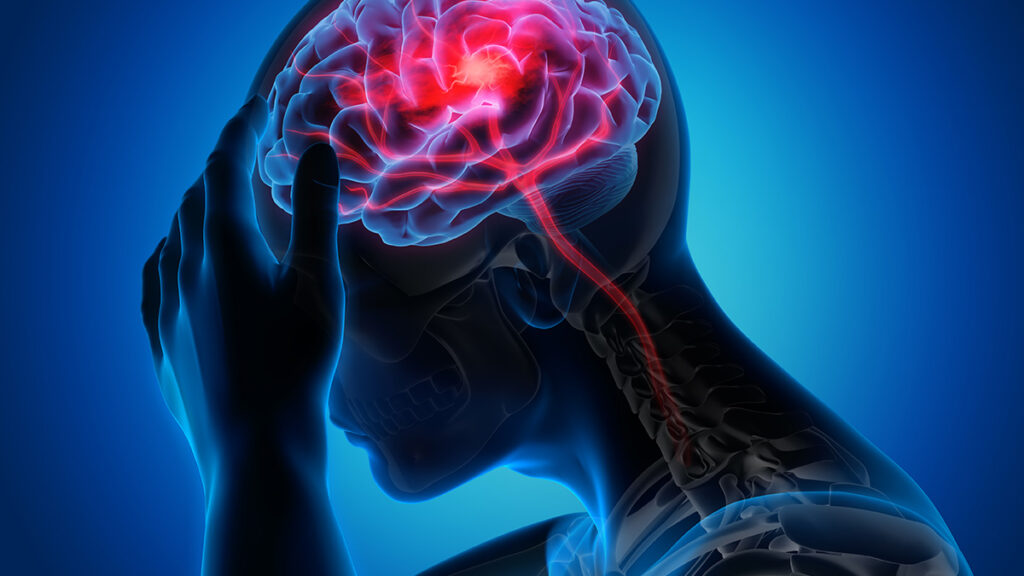
A stroke is a medical emergency that occurs when blood flow to the brain is suddenly interrupted or reduced. Without adequate blood supply, brain cells begin to die within minutes. Stroke can affect anyone, regardless of age, and timely medical intervention plays a critical role in survival and recovery. Knowing the early symptoms of stroke and understanding the urgent steps to take can save lives and prevent long-term disability.
This guide explains the key warning signs of stroke and what actions should be taken immediately.
Understanding What a Stroke Is
A stroke occurs mainly in two forms. An ischemic stroke happens when a blood vessel supplying the brain is blocked, while a hemorrhagic stroke occurs when a blood vessel ruptures and causes bleeding in the brain. Both types require immediate medical attention. Delaying treatment can result in permanent brain damage, paralysis, speech difficulties, or even death.
Common Stroke Symptoms You Should Never Ignore
Stroke symptoms often appear suddenly and worsen rapidly. Recognizing them early is essential.
- Sudden Weakness or Numbness
One of the most common signs of stroke is sudden weakness or numbness on one side of the body. This may affect the face, arm, or leg. If a person suddenly cannot lift one arm or feels heaviness on one side, it could indicate a stroke.
- Difficulty Speaking or Understanding Speech
Slurred speech, difficulty forming words, or confusion while speaking are strong warning signs. The person may struggle to understand simple sentences or respond clearly.
- Facial Drooping
A drooping face, especially on one side, is a classic symptom. Ask the person to smile — if one side of the face does not move properly, immediate medical attention is required.
- Sudden Vision Problems
Blurred vision, double vision, or sudden loss of vision in one or both eyes can signal a stroke. Vision-related symptoms should never be ignored, especially when they occur suddenly.
- Severe Headache
A sudden, intense headache with no known cause may indicate a hemorrhagic stroke. This headache is often described as the worst headache of one’s life and may be accompanied by nausea or vomiting.
- Loss of Balance or Coordination
Sudden dizziness, difficulty walking, or loss of coordination may occur during a stroke. The person may feel unsteady or unable to maintain balance.
The FAST Method: A Simple Stroke Check
The FAST method helps identify stroke symptoms quickly:
- F – Face: Ask the person to smile. Is one side drooping?
- A – Arms: Ask them to raise both arms. Does one arm drift downward?
- S – Speech: Is speech slurred or difficult to understand?
- T – Time: Time is critical. Call for emergency medical help immediately.
If any of these signs are present, act without delay.
Urgent Steps to Take During a Stroke
- Call Emergency Services Immediately
Do not wait for symptoms to improve. Immediate medical care can significantly reduce brain damage. Early treatment increases the chances of recovery and reduces complications.
- Note the Time Symptoms Started
Doctors need to know when the symptoms began. This information helps determine the most appropriate treatment options.
- Keep the Person Calm and Comfortable
Help the person lie down with their head slightly elevated. Avoid giving food, water, or medication unless advised by medical professionals.
- Do Not Delay Medical Care
Do not attempt home remedies or wait for family consultation. Stroke treatment is time-sensitive, and delays can be life-threatening.
Why Immediate Treatment Is Crucial
The brain loses millions of cells every minute during a stroke. Early intervention can restore blood flow, limit damage, and improve survival rates. Timely care also reduces the risk of long-term disabilities such as paralysis, memory loss, or speech impairment.
Specialized stroke management under expert neurological care offers the best outcomes.
Preventing Future Strokes
While not all strokes can be prevented, managing risk factors can reduce the chances. Controlling blood pressure, diabetes, cholesterol levels, quitting smoking, maintaining a healthy weight, and regular medical check-ups play an important role in stroke prevention.
Conclusion
A stroke is a medical emergency where every second matters. Recognizing the symptoms early and taking immediate action can save lives and reduce long-term complications. Awareness, quick response, and expert medical care are the keys to better outcomes.
For advanced stroke evaluation, diagnosis, and neurological care, consult Dr. Vivek Bonde, an experienced neurosurgeon in Pimpri-Chinchwad.
Clinic Address:
Spine N Brain Clinic
204, GK Sapphire,
Near Kokane Chowk, Prassana Colony,
Pimpri Colony, Pimpri-Chinchwad,
Maharashtra – 411017
Timely neurological care under expert guidance can make a life-changing difference during a stroke emergency.
Recent Posts
-
A Complete Patient Guide to Planning Brain and Spine Surgery Away from Home
-
Managing Recovery and Follow-Up Care After Brain or Spine Treatment
-
What Outstation Patients Should Know Before Consulting a Neurosurgeon
-
Back Pain Relief at Home: Evidence-Backed Exercises and Therapies
-
 Stroke Symptoms & Urgent Steps to Take: A Clear Action Guide